Are Dental Implants Covered by Insurance in Virginia?
How dental insurance typically handles implants in Virginia, what to look for when comparing plans, and financing alternatives when coverage falls short.
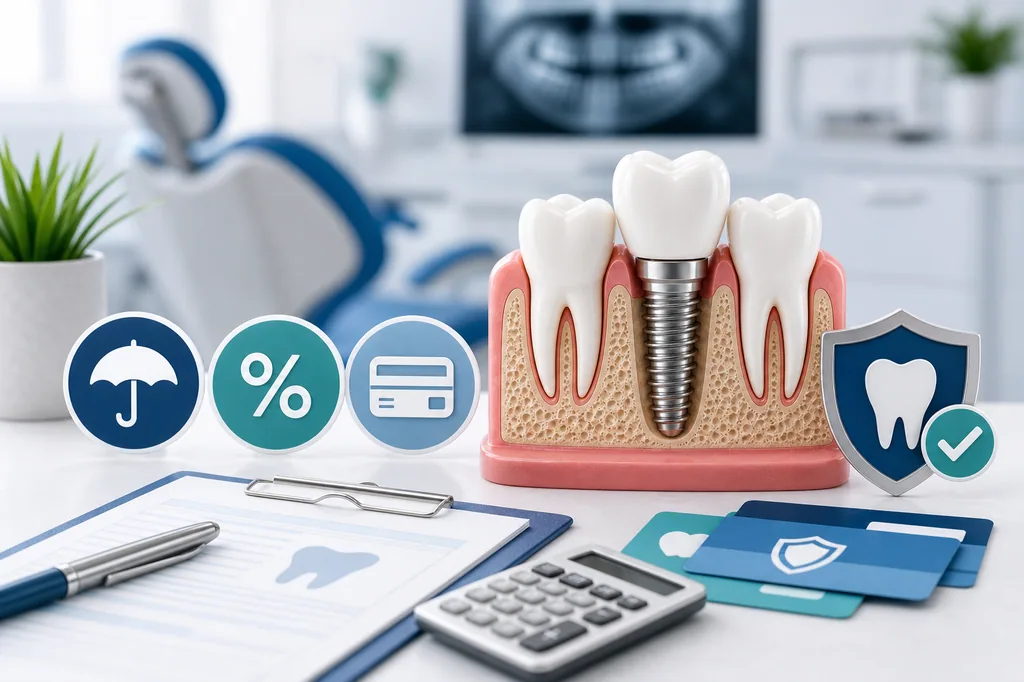
Dental insurance coverage for implants varies widely. Some plans cover a meaningful portion of the cost; others exclude implants entirely. Here’s what to know before you assume your plan won’t help.
The short answer
Many dental insurance plans cover a portion of implant treatment in Virginia — typically 30–50% of the crown — though the implant post itself is still excluded by some plans as a ‘cosmetic’ or ‘major’ procedure.
Even if the implant isn’t directly covered, related procedures usually are: extraction of a damaged tooth, bone grafting, periodontal treatment, and sometimes the crown that goes on top.
How to read your dental insurance policy
Look for these key terms in your plan summary: ‘major services’ (where implants usually live), ‘lifetime maximum’ (some plans cap orthodontic and implant benefits), ‘waiting periods’ (some plans require 6–12 months of coverage before paying for major work), and ‘pre-authorization’ (most plans require this for implants).
If you can’t find clear information, call the customer service number on your insurance card and ask specifically: ‘Are dental implants covered under my plan, and what percentage of the implant crown is reimbursed?’
Common plans and how they handle implants
Most PPO plans cover 50% of major services after deductible, up to an annual maximum (often $1,500–$3,000). For a single implant costing $4,500, that translates to roughly $1,500–$2,000 in reimbursement, depending on what your annual max allows.
HMO and DHMO plans often have lower reimbursement but lower out-of-pocket costs overall. Federal employee plans (FEDVIP) typically include strong implant coverage.
What if your plan won’t cover implants?
Three options work for most patients: third-party financing (CareCredit, LendingClub, Sunbit), HSA/FSA funds (paid pre-tax), and in-house payment plans.
CareCredit and similar plans offer 6–60 month financing with options for zero-interest if paid within a promotional period. For implant work specifically, this is one of the most popular financing routes.
How we handle insurance at Hedgewood Dental
Before any implant treatment begins, we verify your benefits and submit a pre-authorization request to your insurance company. You receive a written estimate showing what insurance will cover, what your portion is, and what financing options apply.
We’re transparent about costs. There are no surprise bills after treatment.
Frequently asked questions
Will Medicare cover dental implants?
Traditional Medicare does not cover routine dental care or implants. Some Medicare Advantage plans include limited dental benefits, sometimes including a portion of implant work. Check your specific plan.
Can I use HSA or FSA money for dental implants?
Yes. Dental implants qualify as a medical expense under both HSA and FSA rules. Using pre-tax dollars effectively reduces the cost by your marginal tax rate — meaningful savings for most patients.
Does Virginia Medicaid cover dental implants for adults?
Virginia Medicaid’s adult dental benefit is limited. Implants are generally not covered as a benefit under adult Medicaid in Virginia. Pediatric Medicaid coverage is broader but typically does not include implants either.
Don’t assume your insurance won’t help with implants — check the specifics. And if coverage is limited, financing options can make implants affordable on a monthly budget. Call Hedgewood Dental and we’ll walk through your benefits with you.
Request an AppointmentRequest an Appointment
Share a few details—our team will follow up to confirm next steps.