Wisdom Teeth Extraction in Woodbridge VA: Step-by-Step Guide to a Calm, Comfortable Experience
A step-by-step walkthrough of the wisdom teeth extraction process at Hedgewood Dental in Woodbridge, VA — from X-ray to recovery, with sedation options explained.
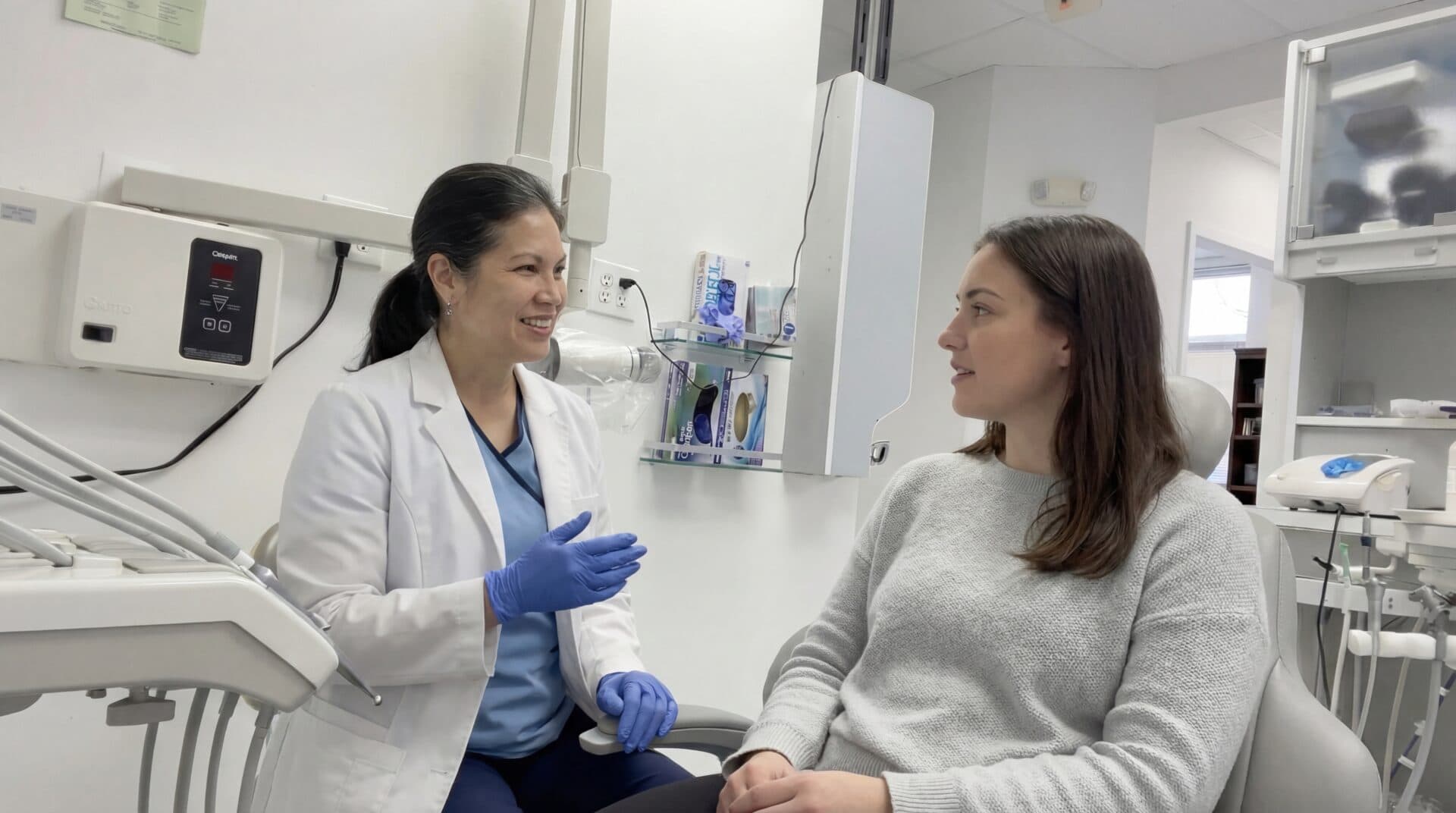
It usually starts small. A little pressure in the back of the mouth. A weird ache when chewing. Maybe some swelling that won’t go away. Then someone types wisdom teeth extraction process Woodbridge VA into Google at 10:47 p.m. while holding their jaw. The team at Hedgewood Dental P.C sees this all the time. Patients from Dale City, Lake Ridge, and even near Potomac Mills walk in saying the same thing: "I’m kinda nervous. I’ve heard stories." And honestly? That makes sense. Wisdom teeth sound scary. Surgery sounds scary. Sedation sounds scary. But here’s the truth the team believes: calm care changes everything.
Why Calm Dentistry Matters
Hedgewood Dental P.C believes dental care should feel steady, clear, and kind. Not rushed. Not cold. Not overwhelming. They believe every patient deserves to understand what’s happening in their own mouth. A healthy smile starts with feeling safe.
Wisdom teeth can cause real stress. Sometimes they grow in sideways. Sometimes they get stuck under the gums. Sometimes they crowd other teeth or trap bacteria. And when someone hears the words surgical tooth removal, their brain jumps to worst-case scenarios.
Dr. Mai steps in calmly. She doesn’t rush explanations. She shows patients their wisdom teeth X-ray on the screen. She points. She explains where the tooth is sitting. What’s normal. What’s not. The team often says, "Let’s look at this together." That changes everything.
They also talk clearly about sedation options. Some patients only need local numbing. Others feel better with stronger sedation. It depends on comfort level and the position of the tooth. No one-size-fits-all. Just thoughtful care.
Step 1: The Wisdom Teeth X-Ray – Seeing the Full Picture First
Before anything else, the team takes a close look inside. A wisdom teeth X-ray is usually the first step in the full extraction process. This isn’t just a quick peek. It shows if the tooth is stuck under the gums, if it’s growing sideways, if it’s pressing on other teeth, and how close it is to nerves.
The team often sees patients relax once they see the image. Dr. Mai pulls it up on the screen and explains it in simple words. No complicated dental talk. Just clear explanations. "See this angle? That’s why it feels sore." Suddenly it makes sense.
Sometimes wisdom teeth are fully out and easy to remove. Other times they’re impacted, which means they’re trapped under bone or gum tissue. That’s when a surgical removal is needed. But even then, it’s planned carefully. Nothing rushed. Nothing guessed.
Step 2: Talking About Sedation Options
This is the part most nervous patients ask about. "Will I be awake?" The answer depends on what makes them comfortable.
The team explains all sedation options clearly. Some people only need local anesthesia. That means the area is fully numb, but they’re awake. Others prefer stronger sedation to help them feel sleepy and calm. The team often sees teens feel better knowing they won’t remember much. Adults too, honestly.
Dr. Mai talks through the type of extraction, health history, anxiety level, and personal comfort. Sedation is not one-size-fits-all. It’s personalized. For many patients, the biggest relief comes from knowing they won’t feel pain during the procedure. And they won’t. Modern dentistry has come a long way.
Step 3: The Day of the Surgical Removal
This is the day people build up in their minds. But it’s usually much calmer than they expect. Procedure day follows a simple flow: check-in and review the plan, numbing or sedation, gentle removal, post-care instructions, then head home to rest.
For simple extractions, the tooth is loosened and removed carefully. For impacted wisdom teeth, a small opening is made in the gum. Sometimes the tooth is divided into smaller sections to remove it safely.
It sounds intense. But it’s controlled. Precise. Planned. The team often tells patients, "You’ll feel pressure, but not pain." And that’s true. Many patients are surprised when it’s over. They ask, "That’s it?"
Most procedures take about 30 to 60 minutes. Sometimes less. Sometimes a little more if multiple teeth are involved. The actual removal part is often quicker than expected. Recovery afterward takes more time, but the surgery itself is usually efficient and focused.
Step 4: Right After Surgery – The First 24 Hours
This is where good instructions matter. After the extraction process, patients go home with clear guidance. The team explains: bite gently on gauze, rest, keep head elevated, avoid straws, use ice packs, and take prescribed medications.
The first day is mostly about clot formation. That blood clot is important. It protects the bone and nerves underneath. The team often reminds patients not to rinse aggressively or poke the area. Curiosity can slow healing. Mild swelling is normal. Some soreness is normal. Sharp, severe pain that doesn’t improve is when to call.
Hedgewood Dental P.C always encourages patients to reach out with concerns. No question is too small. Because aftercare is part of the full process. Healing isn’t an afterthought. It’s part of the plan.
Step 5: The Recovery Timeline – What to Expect
Healing happens in stages. Days 1-3: swelling peaks. Soft foods only. Think yogurt, mashed potatoes, smoothies (no straw). Days 4-7: swelling slowly improves. Stitches may dissolve if used. Energy comes back. Week 2: most normal routines return.
The team often sees younger patients bounce back quickly. Adults sometimes take a little longer. That’s okay. Good hydration, rest, and following instructions make a huge difference. When patients understand the full recovery timeline, they don’t panic at normal symptoms. They expect them. And expectation reduces anxiety.
Step 6: When Wisdom Teeth Shouldn’t Wait
Sometimes patients try to push it off. Busy with work. School at Freedom High. Sports practice near Westridge. Shopping trips at Potomac Mills. Life gets full. But impacted wisdom teeth can lead to infection, damage to nearby teeth, gum inflammation, and jaw discomfort.
The American Dental Association explains that impacted wisdom teeth can increase risk of infection and damage if left untreated. That’s why early evaluation matters. A simple X-ray can show if there’s a problem brewing — even before pain starts. Small problems are easier than big emergencies. The extraction process works best when it’s planned — not rushed because of sudden pain.
Why Experience and Calm Matter
Not all dental visits feel the same. The team at Hedgewood Dental P.C understands that surgical tooth removal sounds intimidating. But they focus on making the entire process feel predictable. They explain before they act. They pause if someone needs a second. They check in during recovery.
Patients from Lake Ridge, Dale City, and Belmont Bay often say the same thing afterward: "It wasn’t as bad as I thought." When people know how long wisdom teeth surgery takes, understand sedation options, see their X-ray clearly, and get real aftercare instructions — the unknown disappears. And when the unknown disappears, confidence grows.
Frequently asked questions
How long does wisdom teeth surgery take?
Most procedures take about 30-60 minutes. The exact time depends on how the teeth are positioned and whether surgical removal is needed.
Will I be awake during the procedure?
It depends on your comfort level. Some patients only need local anesthesia and stay awake. Others prefer stronger sedation. Dr. Mai discusses options based on your needs and tooth position.
What is recovery like after extraction?
Most swelling improves within a few days. Soft foods and rest help. Full healing continues over a couple of weeks. Following aftercare instructions carefully keeps complications rare.
Do I need to remove wisdom teeth if they don’t hurt?
An exam and X-ray will show positioning and risk. If the teeth are impacted or pressing on adjacent teeth, earlier treatment is usually recommended even without pain.
What signs mean I should call the office after surgery?
Mild swelling and soreness are normal. Sharp, severe pain that doesn’t improve or worsens after a few days may indicate dry socket or infection and warrants a call to the office.
After healing, patients often say the same thing: "I wish I didn’t wait so long." Because the pain is gone. The pressure is gone. The stress is gone. The real transformation isn’t just removing a tooth — it’s removing the worry.
Request an AppointmentRequest an Appointment
Share a few details—our team will follow up to confirm next steps.